Introduction
Food safety is one of the most critical aspects of the food processing industry. Consumers expect every product they purchase to be safe, hygienic, and free from contamination. To achieve this, food manufacturers must implement strict hygiene practices at every stage of production. One of the most effective ways to ensure employee hygiene before entering production areas is by installing Hygiene Stations.
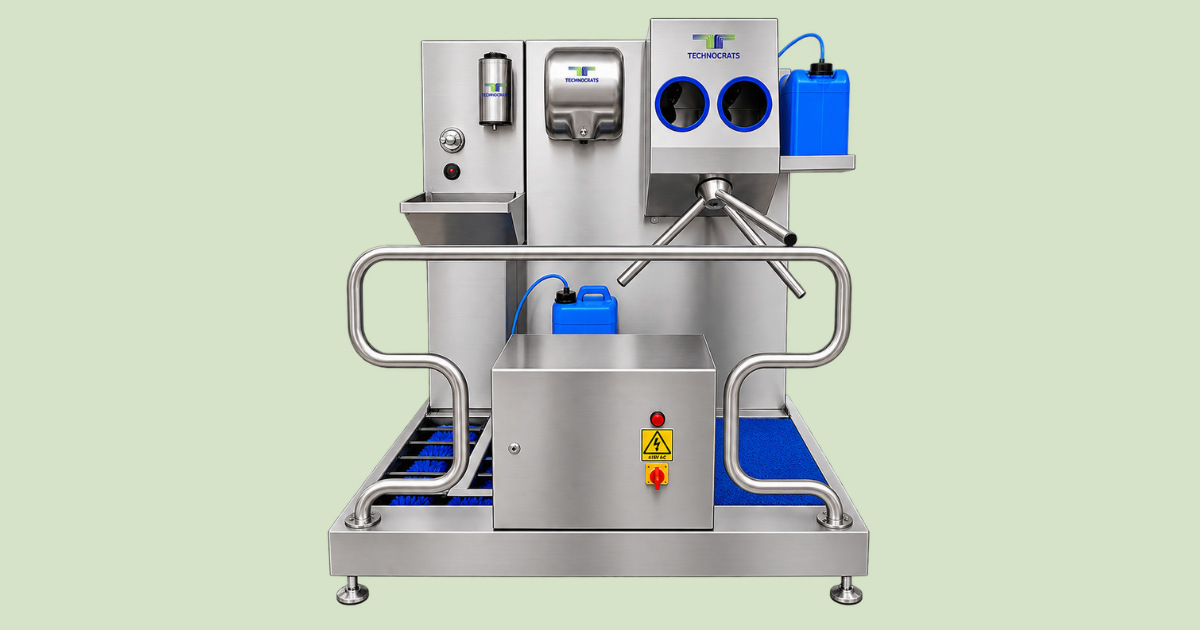
A hygiene station is an integrated entry control system that ensures every employee sanitizes their hands, cleans their footwear, and follows the required hygiene protocol before entering sensitive production areas. These systems are widely used in food processing plants, beverage manufacturing units, dairy facilities, meat processing plants, bakeries, seafood industries, and commercial kitchens.
This guide explains everything you need to know about hygiene stations, their benefits, applications, and why they are becoming an essential part of modern food processing facilities.
What is a Hygiene Station?
A hygiene station is a controlled entry point equipped with automated hygiene equipment designed to maintain high sanitation standards. It ensures that employees complete mandatory hygiene procedures before accessing production or packaging areas.
A standard hygiene station may include:
- Hand washing unit
- Automatic soap dispenser
- Hand sanitizer dispenser
- Hand drying system
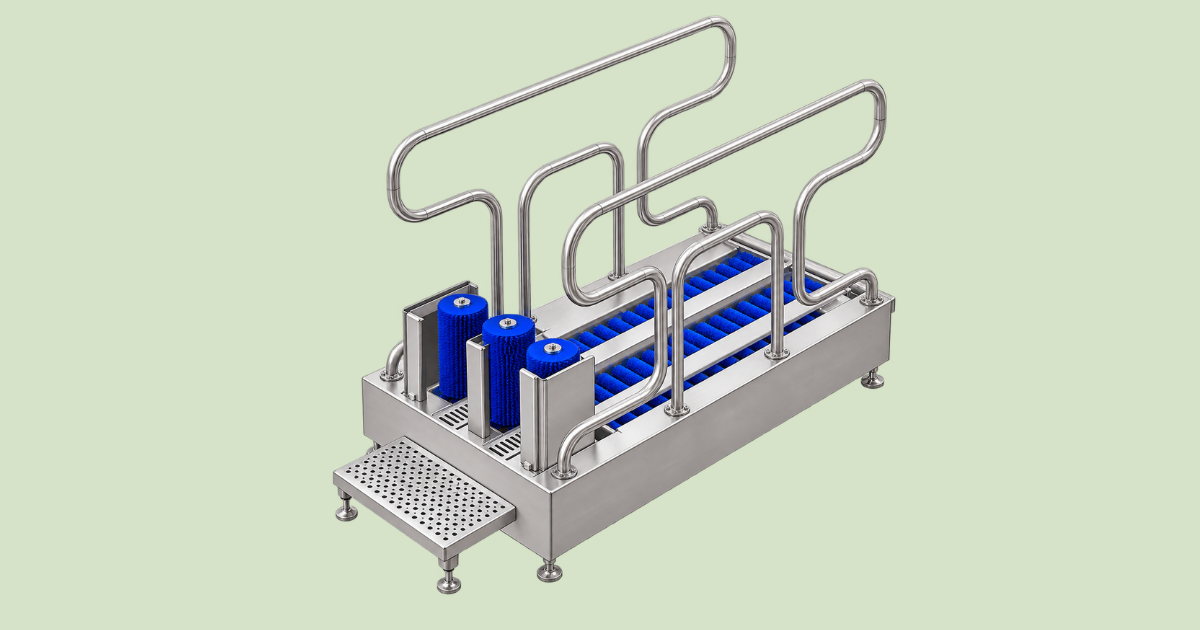
- Shoe sole cleaning machine
- Boot brush cleaner
- Sole sanitizer
- Turnstile access control
- Sensor-based operation
- Stainless steel construction
Only after the complete hygiene process is successfully performed does the system allow entry into the production area.
Why Hygiene Stations Are Important in Food Processing
Employees are one of the biggest sources of contamination inside food manufacturing facilities. Even clean-looking hands or footwear can carry bacteria, viruses, dust, soil, grease, or harmful microorganisms.
Without proper hygiene control, contaminants can spread to:
- Raw materials
- Food contact surfaces
- Machinery
- Packaging materials
- Finished products
A hygiene station minimizes these risks by ensuring every individual follows a standardized sanitation procedure before entering the production zone.
Common Sources of Food Contamination
Food contamination can occur due to several factors, including:
Human Contact
Improperly washed hands are one of the leading causes of foodborne contamination.
Dirty Footwear
Employees often carry dirt, moisture, dust, and bacteria from outside production areas.
Cross-Contamination
Moving between raw material areas and finished product sections without proper sanitation increases contamination risks.
Visitors and Contractors
Temporary staff, visitors, and maintenance personnel may unknowingly introduce contaminants if hygiene procedures are not enforced.
Benefits of Installing Hygiene Stations
1. Reduces Cross-Contamination
A hygiene station creates a mandatory sanitation checkpoint before entry into production areas. This significantly reduces the transfer of harmful microorganisms from outside environments.
2. Improves Food Safety
Consistent hygiene practices help manufacturers maintain product quality and reduce the risk of recalls caused by contamination.
3. Supports HACCP Compliance
Hazard Analysis and Critical Control Points (HACCP) focuses on identifying and controlling food safety risks. A hygiene station becomes an important preventive control point by ensuring employee hygiene before production begins.
4. Helps Meet FSSAI Requirements
Food Safety and Standards Authority of India (FSSAI) emphasizes employee hygiene and sanitation practices in food manufacturing. Installing hygiene stations demonstrates a proactive approach to maintaining hygienic working conditions.
5. Supports GMP Standards
Good Manufacturing Practices (GMP) require food manufacturers to establish procedures that minimize contamination throughout the production process. Automated hygiene stations help maintain consistency by reducing dependence on manual monitoring.
6. Enhances Employee Discipline
Instead of relying on supervisors to check hygiene practices, automated systems ensure every employee follows the same process every time.
7. Increases Customer Confidence
Food manufacturers supplying supermarkets, exporters, hotels, restaurants, and international brands often undergo regular quality audits. Visible hygiene infrastructure reflects a strong commitment to food safety and quality management.
Industries That Require Hygiene Stations
Hygiene stations are suitable for:
- Food Processing Plants
- Dairy Industries
- Beverage Manufacturing
- Meat Processing Units
- Seafood Processing
- Poultry Farms
- Bakeries
- Confectionery Manufacturing
- Spice Processing
- Ready-to-Eat Food Manufacturing
- Commercial Kitchens
- Central Food Kitchens
- Pharmaceutical Manufacturing
- Nutraceutical Industries
Key Features of Modern Hygiene Stations
Modern hygiene stations are designed for efficiency, durability, and ease of use. Typical features include:
- Touch-free operation
- Sensor-based hand sanitization
- Automatic soap dispensing
- Automatic water dispensing
- Stainless steel body
- Automatic shoe sole cleaning
- Integrated boot cleaner
- Turnstile access control
- LED status indicators
- Easy maintenance
- Water-saving design
Why Stainless Steel is the Preferred Material
Food processing environments demand equipment that is durable, hygienic, and easy to clean. Stainless steel offers several advantages:
- Corrosion resistance
- Long service life
- Smooth hygienic surface
- Easy sanitization
- Rust-free performance
- Professional appearance
These qualities make stainless steel ideal for food-grade applications.
Choosing the Right Hygiene Station
Before investing in a hygiene station, consider the following:
Number of Employees
Choose a model capable of handling peak entry traffic without causing delays.
Industry Type
Different industries require different hygiene protocols. For example, dairy plants, meat processing, beverage manufacturing, and frozen food facilities may have unique hygiene requirements.
Available Space
Compact designs are available for facilities with limited entry areas.
Automation Requirements
Fully automated systems improve compliance and reduce human error.
Future Expansion
Select a scalable solution if production capacity is expected to increase.
Best Practices for Maintaining Hygiene Stations
To ensure optimal performance:
- Refill soap and sanitizer regularly.
- Clean brushes and foot cleaning systems daily.
- Inspect sensors weekly.
- Check plumbing connections.
- Schedule preventive maintenance.
- Replace worn brushes when required.
- Train employees on correct usage.
Routine maintenance helps maximize equipment life and maintain hygiene standards.
Frequently Asked Questions
What is a hygiene station?
A hygiene station is an automated entry control system that ensures employees complete mandatory hand and footwear sanitation before entering food production areas.
Are hygiene stations mandatory?
While regulations vary depending on industry and location, hygiene stations are considered a best practice and help organizations comply with HACCP, GMP, FSSAI, and international food safety standards.
Can hygiene stations be customized?
Yes. Hygiene stations can be configured with hand washing, sanitization, shoe sole cleaning, boot cleaning, turnstile access, and other features based on operational requirements.
Which industries use hygiene stations?
Food processing, dairy, beverage manufacturing, meat processing, seafood, pharmaceuticals, healthcare, commercial kitchens, and nutraceutical industries commonly use hygiene stations.
How often should hygiene stations be maintained?
Regular cleaning should be performed daily, while preventive maintenance should be scheduled periodically according to the manufacturer's recommendations.
Conclusion
Maintaining high hygiene standards is essential for producing safe, high-quality food products. A hygiene station serves as the first line of defense against contamination by ensuring every employee follows a standardized sanitation process before entering production areas.
Beyond helping organizations comply with food safety regulations, hygiene stations improve operational efficiency, strengthen quality control, and build customer confidence. As food manufacturers continue to adopt higher hygiene standards, automated hygiene stations have become a valuable investment for facilities focused on long-term safety and compliance.
Whether you operate a dairy plant, bakery, meat processing facility, beverage factory, or large-scale food manufacturing unit, implementing the right hygiene station can significantly reduce contamination risks while supporting a cleaner and safer production environment.
About Technocrats Hygiene
Technocrats Hygiene specializes in advanced industrial hygiene solutions for food processing, pharmaceutical, healthcare, and manufacturing industries. Our range of stainless steel hygiene stations, shoe sole cleaning machines, air curtains, and sanitation systems are designed to help businesses maintain world-class hygiene standards while supporting regulatory compliance.
Looking for a customized hygiene station for your facility? Contact Technocrats Hygiene to discuss your requirements and discover a solution tailored to your industry.