Introduction
Maintaining a contamination-free environment is one of the most important responsibilities in pharmaceutical manufacturing, food processing, biotechnology, healthcare, and cleanroom facilities. While businesses often invest in advanced air filtration systems, cleanroom apparel, and hand hygiene stations, one major source of contamination is frequently overlooked—employee footwear.
Every day, employees, visitors, and contractors unknowingly carry dust, dirt, moisture, bacteria, chemicals, and other contaminants on the soles of their shoes. Without proper cleaning at entry points, these contaminants can spread into production areas, increasing the risk of product contamination, equipment damage, and regulatory non-compliance.
This is where Shoe Sole Cleaning Machines play a vital role. Installed at facility entrances, these automated systems clean and sanitize footwear before personnel enter controlled environments, helping organizations maintain the highest standards of hygiene and operational safety.
Understanding Cross-Contamination
Cross-contamination occurs when contaminants are transferred from one area, surface, or person to another. In manufacturing environments, this transfer can happen through:
- Footwear
- Hands
- Clothing
- Equipment
- Raw materials
- Packaging materials
- Trolleys and carts
Even small amounts of contamination can have serious consequences, especially in industries where product purity and hygiene are critical.
Why Footwear is a Major Source of Contamination
Employees walk through parking lots, warehouses, offices, loading bays, cafeterias, and outdoor areas before entering production zones. Their footwear can carry:
- Dust particles
- Mud
- Sand
- Moisture
- Oil and grease
- Food residues
- Bacteria
- Mold spores
- Chemical residues
- Metal particles
Without proper cleaning, these contaminants are carried directly into sensitive manufacturing environments.
What is a Shoe Sole Cleaning Machine?
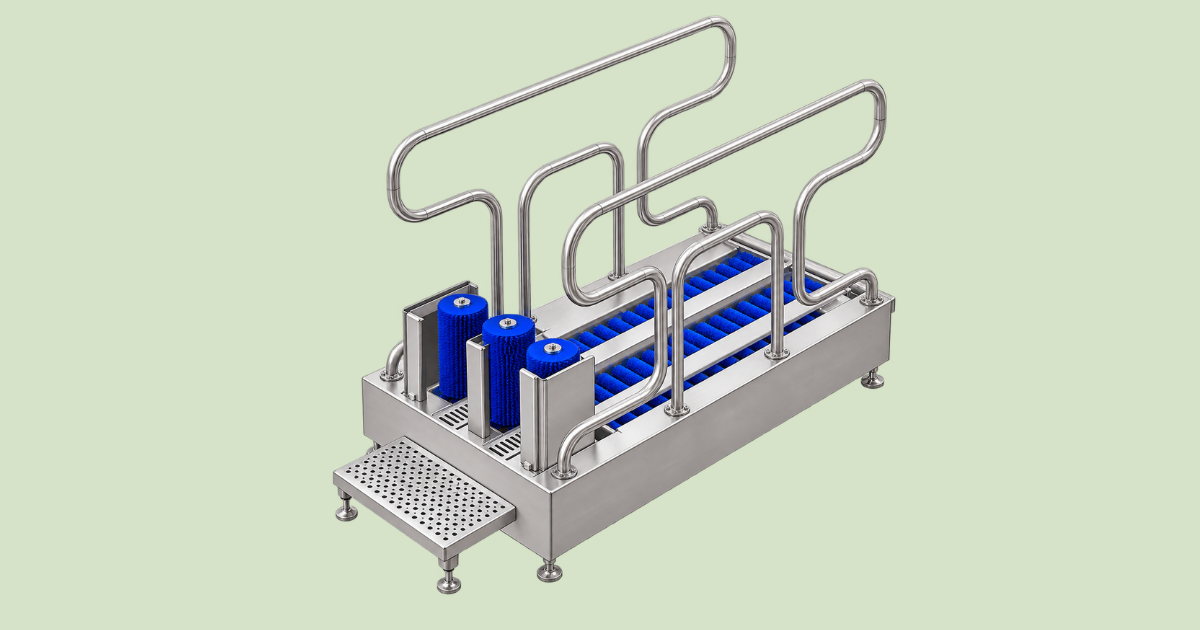
A Shoe Sole Cleaning Machine is an automated hygiene system designed to remove dirt and contaminants from the soles of shoes before personnel enter controlled areas.
Most machines use rotating brushes combined with cleaning agents or sanitizing solutions to effectively clean footwear in just a few seconds.
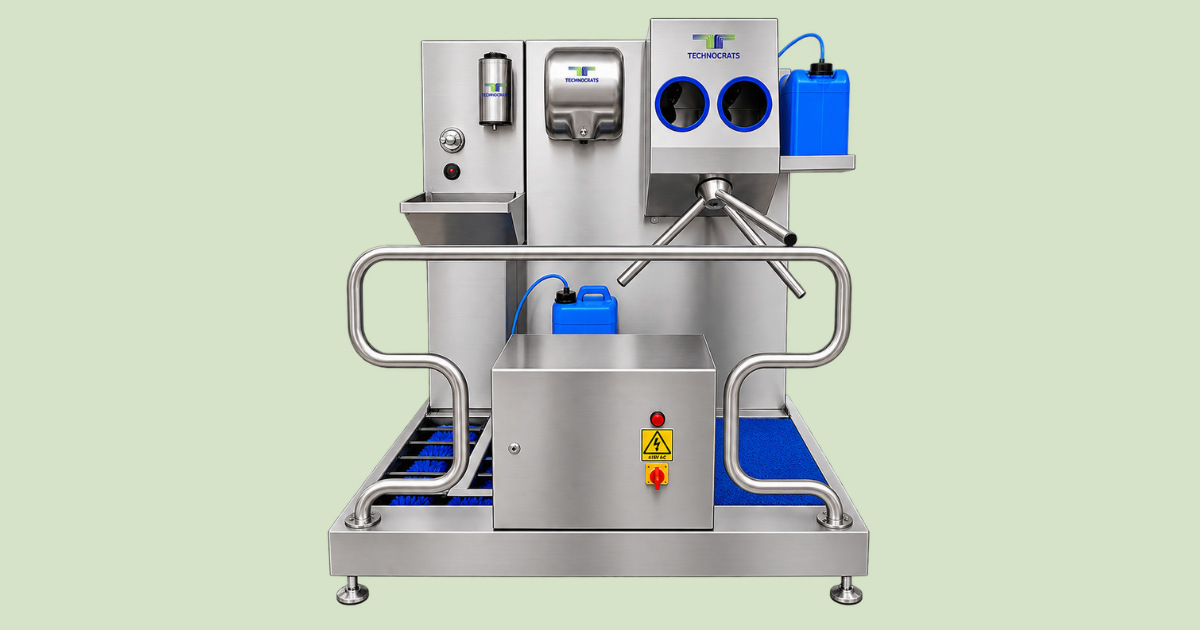
Modern systems are designed for high-traffic industrial environments and can be integrated into complete hygiene stations with hand sanitizing units and access control systems.
How Shoe Sole Cleaning Machines Work
Although designs vary depending on the application, the basic process is simple:
Step 1: Employee Steps onto the Machine
The employee places both feet on the cleaning platform.
Step 2: Rotating Brushes Clean the Soles
Heavy-duty rotating brushes remove dirt, dust, and debris from the shoe soles.
Step 3: Sanitizing Solution is Applied
Many machines automatically dispense a sanitizing solution to eliminate harmful microorganisms.
Step 4: Clean Footwear
Within a few seconds, employees can safely proceed into the production area with significantly cleaner footwear.
The process is fast, automatic, and requires minimal effort from the user.
Benefits of Shoe Sole Cleaning Machines
1. Reduces Cross-Contamination
The primary purpose of a shoe sole cleaning machine is to prevent contaminants from entering controlled environments. By removing dirt and microorganisms before entry, facilities can significantly reduce contamination risks.
2. Supports GMP Compliance
Good Manufacturing Practices (GMP) require organizations to maintain hygienic manufacturing environments. Shoe sole cleaning machines support GMP by controlling one of the most common contamination sources—employee footwear.
3. Improves Food Safety
In food processing facilities, contamination from footwear can compromise product quality. Installing shoe cleaning systems helps maintain cleaner production areas and supports food safety programs such as HACCP and FSSAI compliance.
4. Protects Product Quality
Contaminated production environments can lead to product rejection, batch failures, customer complaints, costly recalls, and production downtime. A shoe sole cleaning machine helps reduce these risks by preventing contaminants from entering the facility.
5. Encourages Employee Hygiene
Automated cleaning systems create a consistent hygiene routine for every employee entering the production area. Instead of relying solely on manual cleaning practices, every individual follows the same standardized process.
6. Saves Cleaning Costs
Cleaner footwear means cleaner floors. This reduces the frequency of floor cleaning, lowers maintenance costs, and helps housekeeping teams maintain hygienic workspaces more efficiently.
7. Improves Audit Readiness
Companies undergoing customer audits or regulatory inspections often need to demonstrate effective hygiene control measures. Installing shoe sole cleaning systems shows a proactive commitment to contamination prevention and operational excellence.
Industries That Benefit from Shoe Sole Cleaning Machines
Shoe sole cleaning systems are widely used in:
- Pharmaceutical Manufacturing
- Food Processing Plants
- Dairy Industries
- Beverage Manufacturing
- Biotechnology Laboratories
- Hospitals
- Medical Device Manufacturing
- Cosmetic Manufacturing
- Chemical Industries
- Electronics Manufacturing
- Semiconductor Facilities
- Cleanrooms
- Research Laboratories
Features to Look for in a Shoe Sole Cleaning Machine
When selecting a machine, consider the following features:
- Stainless steel construction
- Automatic operation
- Heavy-duty rotating brushes
- Adjustable brush pressure
- Automatic sanitizing system
- Non-slip platform
- Low water consumption
- Easy maintenance
- Durable industrial motor
- Compact design
- Corrosion-resistant body
Choosing the right machine ensures reliable performance and a long service life.
Why Stainless Steel is the Best Choice
Industrial hygiene equipment is exposed to water, cleaning chemicals, and continuous use. Stainless steel offers several advantages:
- Rust-resistant
- Hygienic surface
- Easy to sanitize
- Long-lasting performance
- Excellent durability
- Suitable for GMP and food-grade environments
These qualities make stainless steel the preferred material for hygiene equipment.
Best Practices for Maximum Effectiveness
To achieve the best results:
- Install machines at all production entrances.
- Train employees on proper usage.
- Replace worn brushes regularly.
- Refill sanitizing solution as required.
- Clean the machine daily.
- Inspect motors and moving parts periodically.
- Include footwear cleaning in your facility's hygiene SOPs.
Proper maintenance ensures consistent cleaning performance and extends equipment life.
Frequently Asked Questions
How long does it take to clean shoes?
Most shoe sole cleaning machines complete the cleaning process in 5 to 10 seconds, allowing employees to enter production areas quickly without disrupting workflow.
Are shoe sole cleaning machines suitable for pharmaceutical industries?
Yes. They are widely used in pharmaceutical manufacturing facilities to reduce contamination risks and support GMP compliance.
Can these machines be integrated with hygiene stations?
Yes. Many facilities integrate shoe sole cleaning machines with hand sanitizers, hand wash units, and turnstile systems to create a complete entry hygiene solution.
Do shoe sole cleaning machines require frequent maintenance?
Routine cleaning and periodic inspection are generally sufficient to keep the machine operating efficiently. Brush replacement and sanitizing solution refills should be carried out according to usage levels.
Are these machines suitable for food processing industries?
Absolutely. They are commonly installed in food processing plants, dairies, meat processing facilities, bakeries, and beverage manufacturing units to improve hygiene and reduce contamination.
Conclusion
In hygiene-critical industries, contamination prevention starts at the entrance. While hand hygiene often receives significant attention, footwear remains one of the most common pathways for contaminants to enter controlled environments.
A Shoe Sole Cleaning Machine provides an effective, automated solution for cleaning and sanitizing footwear before employees enter production areas. By reducing contamination risks, supporting GMP and food safety standards, and improving overall facility hygiene, these systems help protect both products and people.
Whether you operate a pharmaceutical plant, food processing facility, cleanroom, laboratory, or healthcare institution, investing in a high-quality shoe sole cleaning machine is a practical step toward creating a safer, cleaner, and more compliant workplace.
About Technocrats Hygiene
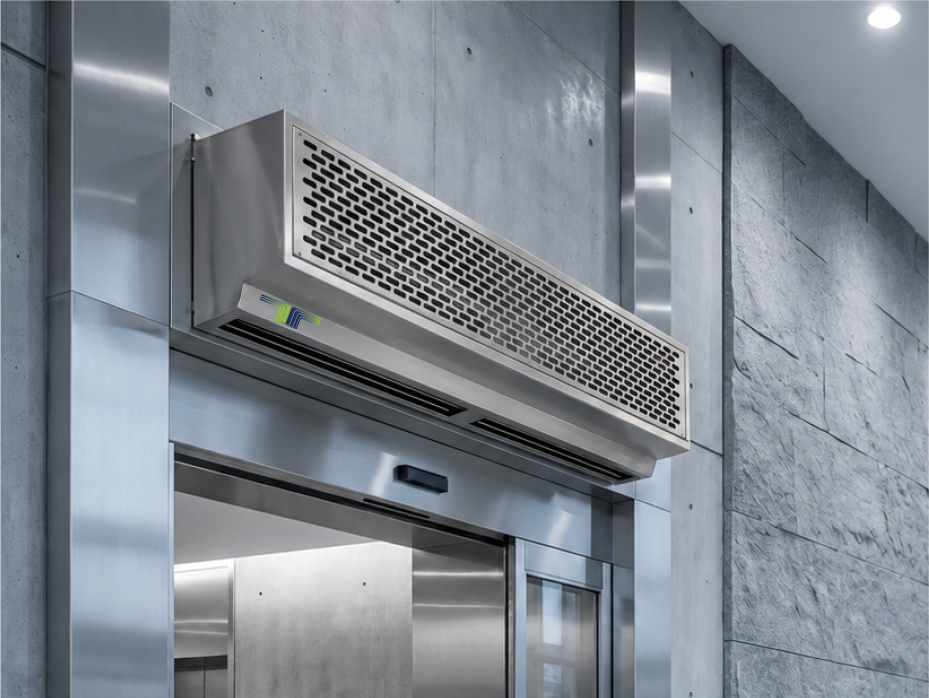
Technocrats Hygiene is a trusted provider of advanced industrial hygiene solutions for pharmaceutical, food processing, healthcare, biotechnology, and manufacturing industries. Our range of Shoe Sole Cleaning Machines, Hygiene Stations, Air Curtains, and sanitation systems is engineered to help businesses maintain the highest standards of cleanliness, operational efficiency, and regulatory compliance.
Looking for a reliable shoe sole cleaning solution for your facility? Contact Technocrats Hygiene today to explore our range of industrial hygiene equipment and find the right solution for your business.