Introduction
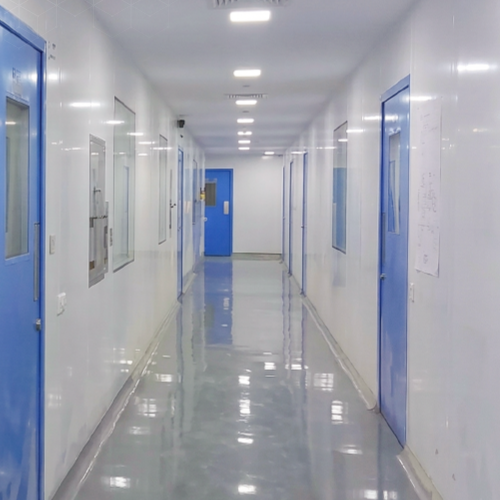
The pharmaceutical industry is built on one fundamental principle—quality cannot be compromised. Every tablet, capsule, injectable, or medical product manufactured must meet stringent quality standards to ensure patient safety. Even the smallest contamination can lead to product rejection, costly recalls, regulatory action, or serious health risks.
To prevent contamination and maintain product integrity, pharmaceutical manufacturers follow Good Manufacturing Practices (GMP). These internationally recognized guidelines ensure that medicines are consistently produced and controlled according to quality standards.
One of the most important aspects of GMP is maintaining a hygienic manufacturing environment. This requires more than clean floors and protective clothing—it involves investing in specialized hygiene equipment that minimizes contamination at every stage of the manufacturing process.
In this guide, we explore the essential GMP hygiene equipment every pharmaceutical manufacturing plant should consider to build a safer, cleaner, and more compliant facility.
Understanding GMP in Pharmaceutical Manufacturing
Good Manufacturing Practices (GMP) are quality assurance systems that help pharmaceutical companies manufacture products safely and consistently.
GMP focuses on several key areas, including:
- Personnel hygiene
- Clean manufacturing environments
- Equipment cleanliness
- Contamination prevention
- Documentation
- Process control
- Quality assurance
- Product traceability
Implementing the right hygiene equipment helps organizations meet these requirements while improving operational efficiency.
Why Hygiene Equipment Matters
Employees, visitors, raw materials, packaging materials, and even air movement can introduce contaminants into production areas.
Without proper hygiene controls, facilities face risks such as:
- Cross-contamination
- Product recalls
- Failed quality audits
- Regulatory penalties
- Production downtime
- Customer complaints
- Financial losses
The right hygiene equipment minimizes these risks and supports a contamination-controlled manufacturing environment.
Essential GMP Hygiene Equipment Checklist
1. Air Curtains
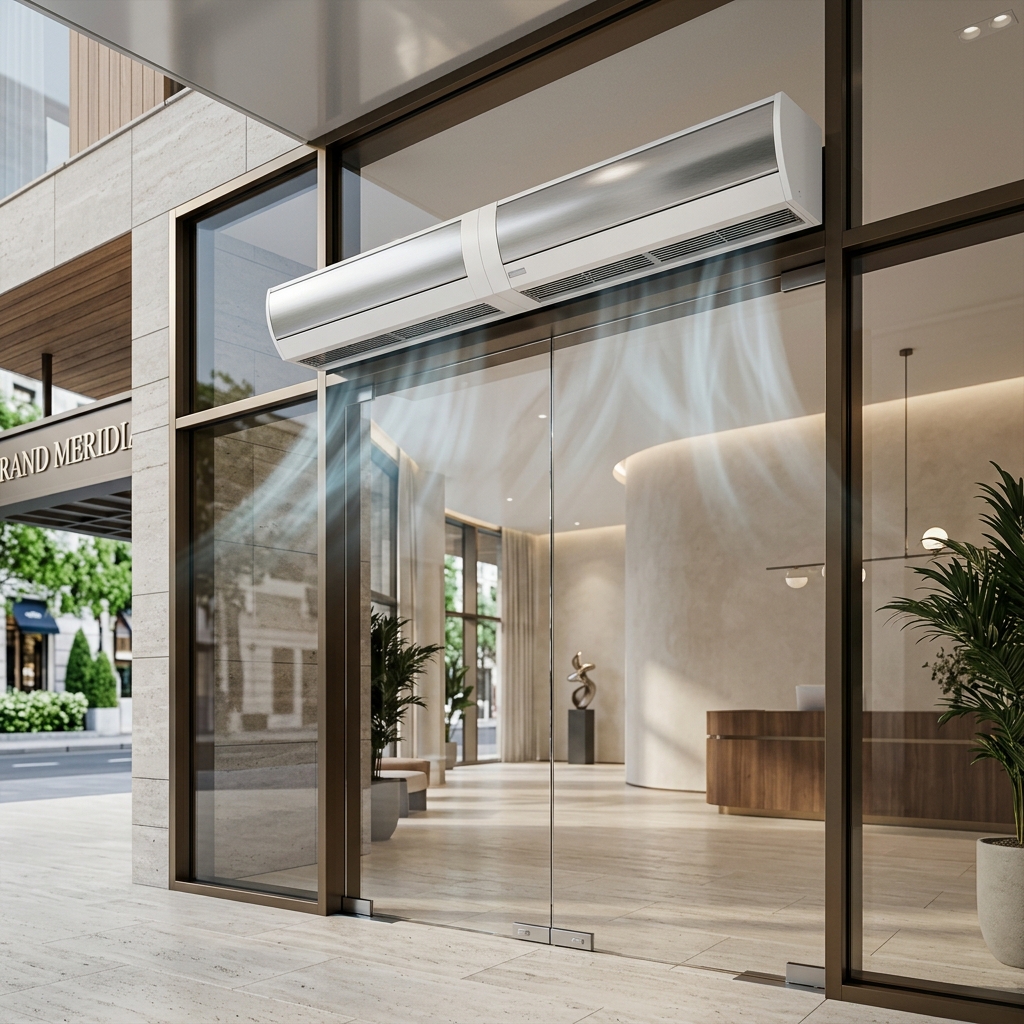
Air curtains create a high-velocity stream of air across open doorways, preventing dust, insects, and unfiltered air from entering controlled areas.
Benefits:
- Prevents airborne contamination
- Reduces insect entry
- Maintains room temperature
- Improves HVAC efficiency
- Supports cleanroom operations
Recommended for production entrances, packaging areas, warehouse doors, and material transfer zones.
2. Hygiene Stations
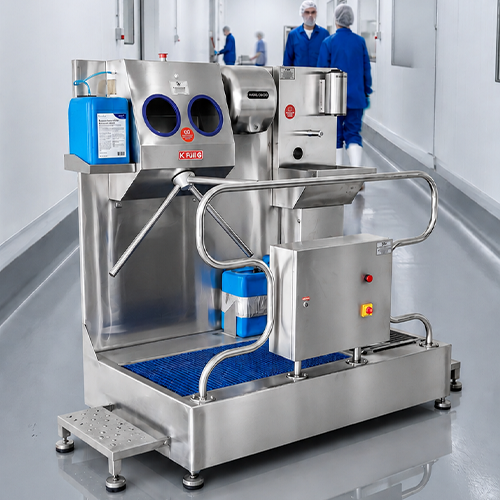
Hygiene stations ensure employees complete mandatory sanitation procedures before entering production areas.
Typical components include a hand washing unit, soap dispenser, hand sanitizer, shoe sole cleaner, boot cleaner, and turnstile access control.
Benefits:
- Standardized employee hygiene
- Controlled facility access
- Reduced contamination risk
- Improved compliance
3. Shoe Sole Cleaning Machines
Footwear carries dust, bacteria, moisture, and debris into manufacturing environments. Automatic shoe sole cleaning machines remove contaminants before employees enter clean areas.
Benefits:
- Reduces cross-contamination
- Improves floor cleanliness
- Supports GMP compliance
- Encourages consistent hygiene practices
4. Sensor-Based Hand Sanitizer Dispensers
Touch-free hand sanitization minimizes contact between employees and shared surfaces.
Advantages include reduced germ transmission, faster sanitization, lower sanitizer wastage, and improved employee compliance.
5. Sensor Operated Hand Wash Stations
Proper hand washing remains one of the most effective contamination prevention measures. Sensor-operated systems offer touch-free operation, water conservation, improved hygiene, and user convenience.
6. Industrial Dehumidifiers
Humidity can affect both pharmaceutical products and manufacturing processes. Industrial dehumidifiers help maintain stable environmental conditions by controlling moisture levels.
Benefits:
- Prevents moisture damage
- Reduces mold growth
- Protects sensitive materials
- Improves storage conditions
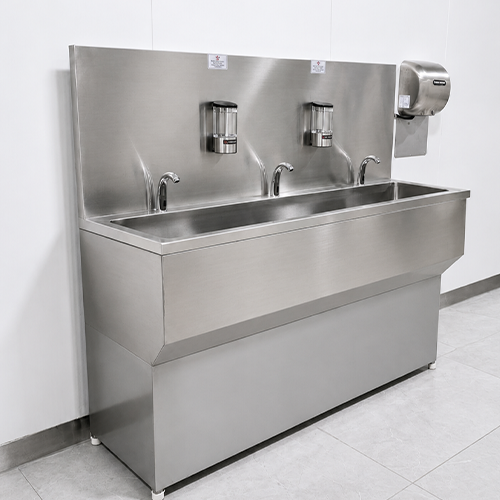
7. Stainless Steel Wash Stations
Stainless steel wash stations provide hygienic cleaning facilities that are easy to sanitize and resistant to corrosion.
Ideal for employee hygiene, equipment cleaning, utility areas, and production support zones.
8. Boot Cleaning Systems
Facilities where employees wear industrial safety boots require dedicated cleaning systems. Boot cleaning machines remove dirt, mud, dust, chemical residues, and moisture, reducing contamination before entering production zones.
9. Waste Collection Systems
Proper waste management is essential in pharmaceutical facilities. Recommended equipment includes stainless steel waste bins, foot-operated bins, color-coded waste segregation, and hazardous waste containers. These systems support cleaner workspaces and improve regulatory compliance.
10. Cleanroom Accessories
Additional hygiene equipment may include sticky mats, cleanroom benches, gowning benches, PPE dispensers, storage lockers, and stainless steel furniture. These accessories further strengthen contamination control measures.
Why Stainless Steel is the Industry Standard
Most pharmaceutical hygiene equipment is manufactured using stainless steel because it offers:
- Excellent corrosion resistance
- Easy cleaning and sanitization
- Long operational life
- Hygienic smooth surfaces
- Chemical resistance
- Professional appearance
Its durability and hygienic properties make stainless steel the preferred choice for GMP environments.
Best Practices for Maintaining GMP Hygiene Equipment
Installing equipment is only the first step. Proper maintenance ensures long-term performance and compliance. Recommended practices include:
- Daily cleaning and sanitization
- Preventive maintenance schedules
- Regular equipment inspections
- Calibration where required
- Immediate repair of damaged equipment
- Employee training on proper usage
- Documentation of maintenance activities
A proactive maintenance approach minimizes downtime and extends equipment life.
Common Mistakes to Avoid
Many facilities invest in hygiene equipment but fail to maximize its effectiveness. Avoid these common mistakes:
- Skipping routine maintenance
- Ignoring employee training
- Installing equipment at incorrect locations
- Using non-food-grade or non-pharmaceutical materials
- Overlooking footwear hygiene
- Failing to monitor sanitizer levels
- Neglecting preventive servicing
Addressing these issues ensures that hygiene systems continue to perform as intended.
Benefits of Investing in GMP Hygiene Equipment
A well-designed hygiene system offers significant long-term advantages:
- Reduced contamination risks
- Improved product quality
- Enhanced employee safety
- Better audit performance
- Increased customer confidence
- Lower cleaning costs
- Improved operational efficiency
- Extended equipment life
- Stronger regulatory compliance
These benefits contribute directly to business performance and brand reputation.
Frequently Asked Questions
What is GMP hygiene equipment?
GMP hygiene equipment includes specialized systems designed to maintain hygienic manufacturing environments, such as air curtains, hygiene stations, shoe sole cleaning machines, sensor-operated wash stations, and industrial dehumidifiers.
Why is hygiene equipment important in pharmaceutical manufacturing?
It helps prevent contamination, supports regulatory compliance, protects product quality, and ensures a safe manufacturing environment.
Is stainless steel recommended for pharmaceutical facilities?
Yes. Stainless steel is durable, corrosion-resistant, easy to clean, and suitable for hygienic applications, making it the preferred material for pharmaceutical equipment.
How often should hygiene equipment be serviced?
Routine cleaning should be carried out daily, while preventive maintenance should be performed according to the manufacturer's recommendations and facility SOPs.
Can hygiene equipment help during regulatory audits?
Yes. Properly maintained hygiene systems demonstrate a facility's commitment to GMP compliance and are viewed positively during inspections and quality audits.
Conclusion
Maintaining GMP compliance requires more than following procedures—it requires investing in the right infrastructure. From air curtains and hygiene stations to shoe sole cleaning machines, sensor-operated wash stations, and industrial dehumidifiers, each piece of hygiene equipment plays a critical role in preventing contamination and protecting pharmaceutical products.
By implementing a comprehensive hygiene strategy, pharmaceutical manufacturers can improve operational efficiency, strengthen quality assurance, reduce contamination risks, and build greater confidence among regulators and customers alike.
A clean manufacturing environment is not just a regulatory requirement—it is a long-term investment in product quality, patient safety, and business success.
About Technocrats Hygiene
Technocrats Hygiene is a leading provider of industrial hygiene and contamination control solutions for pharmaceutical, biotechnology, food processing, healthcare, and manufacturing industries. Our product range includes Air Curtains, Hygiene Stations, Shoe Sole Cleaning Machines, Sensor-Based Hand Hygiene Systems, Industrial Dehumidifiers, and other GMP-compliant hygiene solutions designed to help businesses achieve world-class hygiene standards.
Contact Technocrats Hygiene today to explore customized hygiene solutions that support GMP compliance and create safer, cleaner production environments.